The identical twin brothers Gustavo and Otávio Pandolfo, known worldwide under their artist name Os Gêmeos (Portuguese for „the twins“), are the formative pioneers of the Brazilian street art scene. Born in São Paulo in 1974, they developed a completely independent visual language in the 1980s under the influence of the emerging hip-hop culture. As spray cans were initially unaffordable for them, they worked pragmatically with brushes, rollers and conventional façade paint - a technical circumstance that played a key role in establishing their characteristic, painterly style. A groundbreaking encounter with Barry McGee in 1993 encouraged them to further refine their techniques and expand internationally.
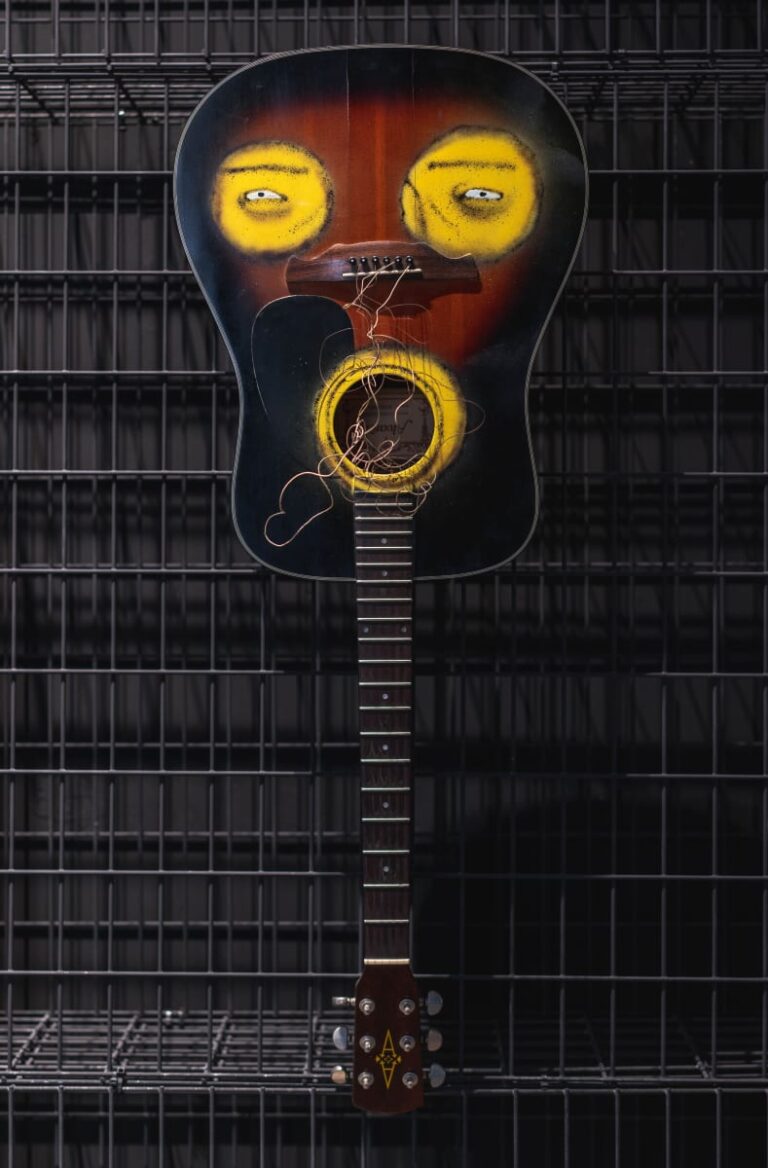
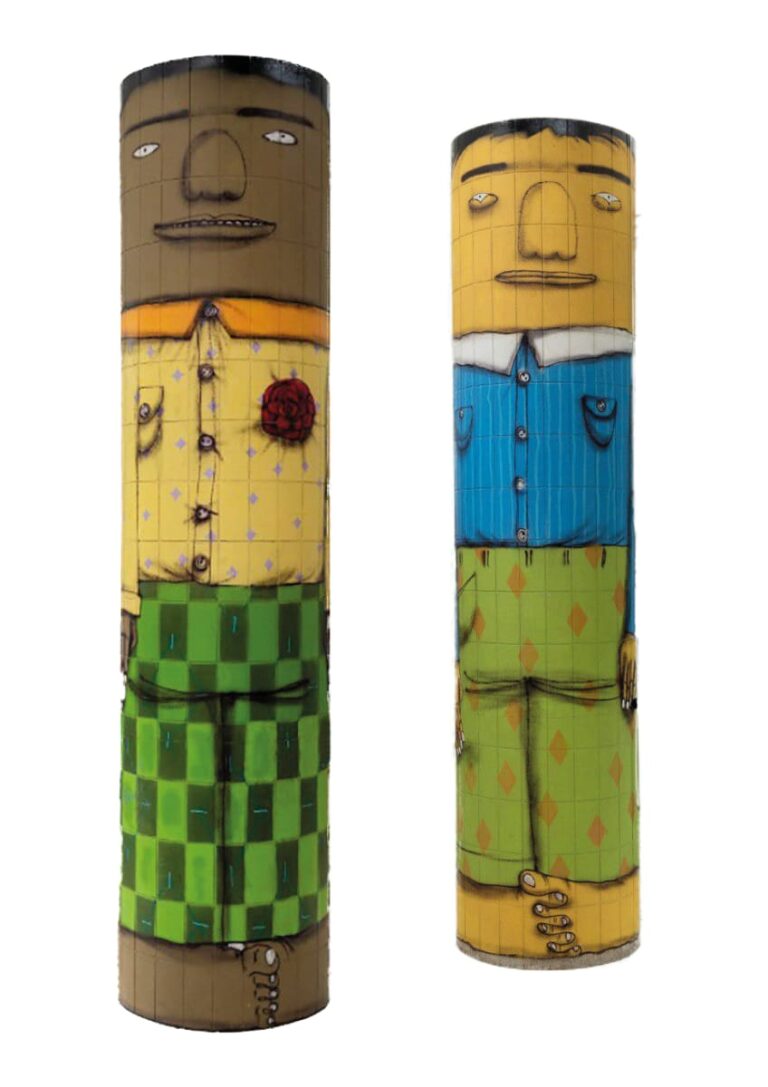
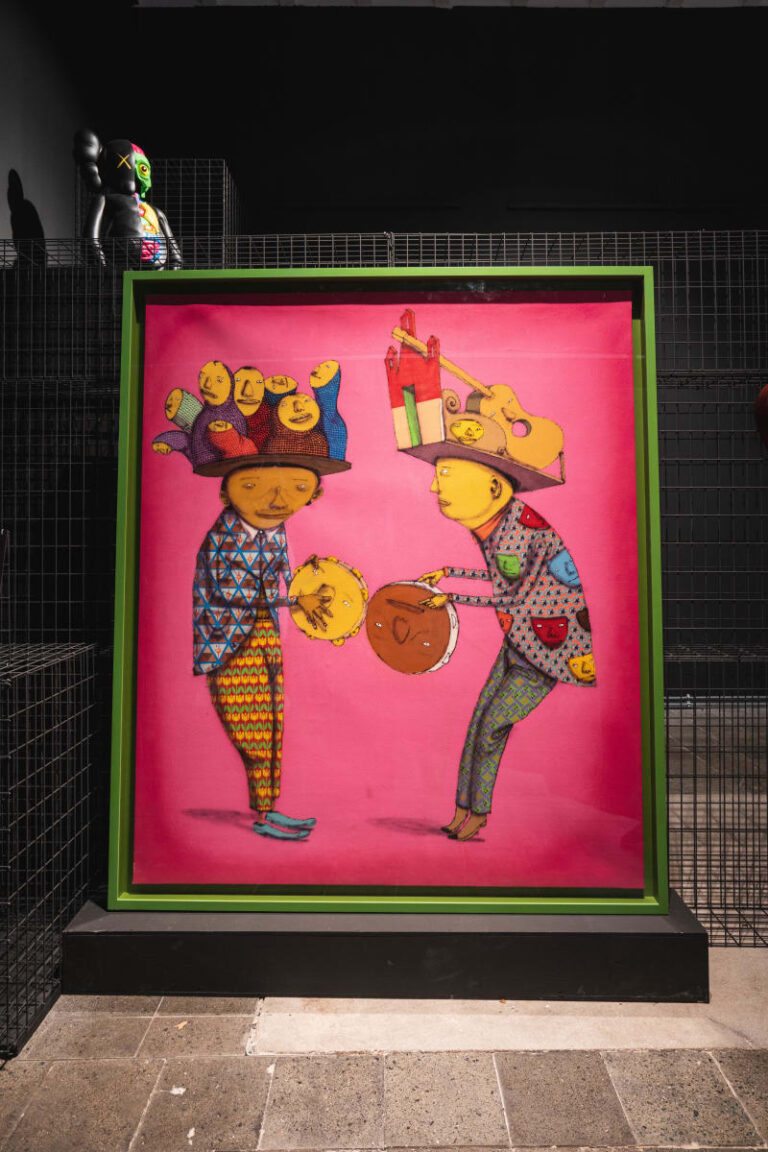
The twins' work is inextricably linked to their shared dream world and the subconscious. Their iconic, yellow-skinned figures with large oval faces often populate surreal architectures that serve as portals into a fantastic reality. Their intuitive way of working is remarkable: Os Gêmeos usually dispense with sketches or fixed plans and allow the colours and shapes to flow directly from intuition onto the surface. Their work is not limited to the street; their portfolio ranges from fine drawings and paintings to monumental sculptures and interactive installations.
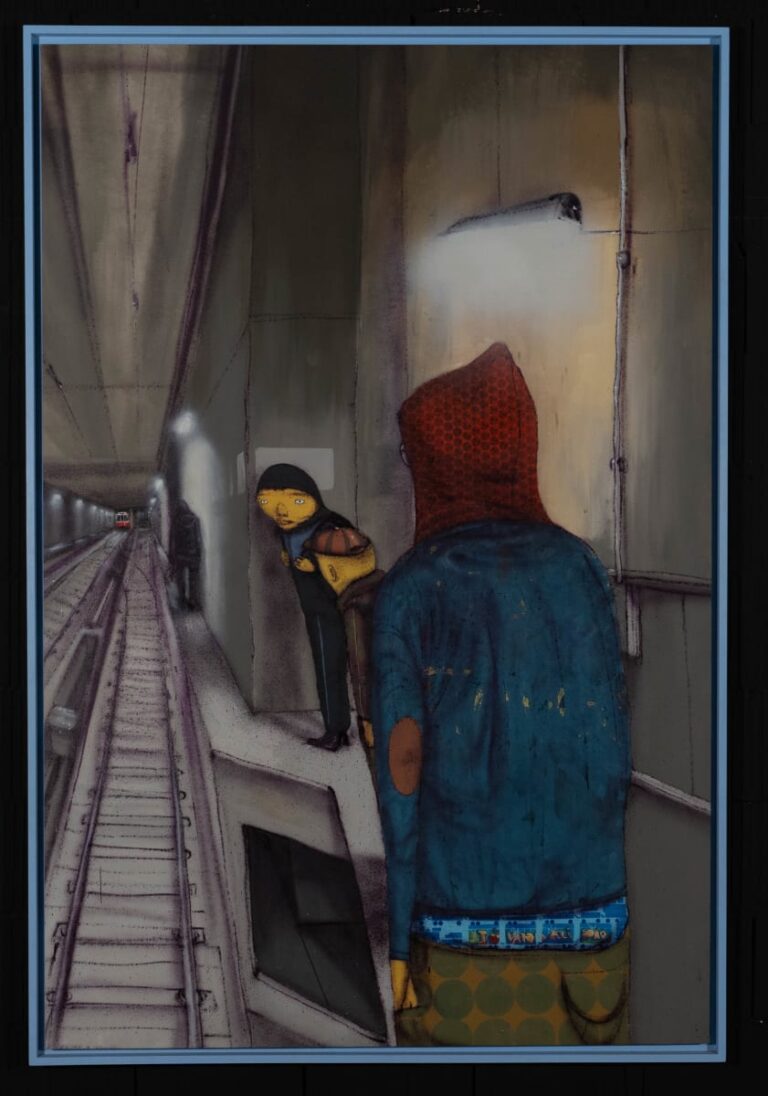
They attracted worldwide attention with spectacular large-scale projects, such as the design of an aeroplane for the Brazilian national team or the „Whole Train“ project, in which they transformed trains into rolling works of art. They have also left a lasting mark in Germany, for example with the „We come at night“ project in a tunnel in Wuppertal or with murals in Munich's Werksviertel. For Os Gêmeos, art always has a deeper function: it should stimulate the human imagination and encourage self-reflection on topics such as social justice or historical change.